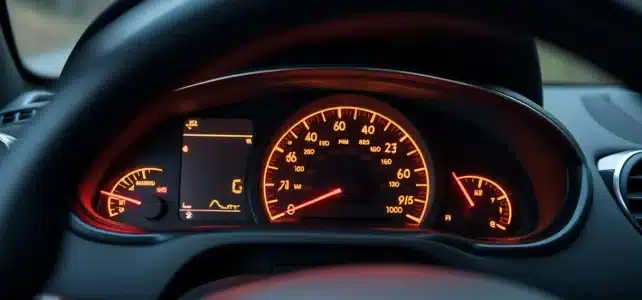
Peugeot 208 drivers know how crucial it is to understand the warning lights on the dashboard. These indicators play an essential role in ensuring the safety and proper functioning of the vehicle. A red light may signal an urgent problem requiring immediate attention, while an orange light indicates a situation that should be closely monitored.
For Peugeot 208 owners, a thorough understanding of these signals not only helps avoid costly breakdowns but also extends the lifespan of their car. Knowing how to correctly interpret these alerts can make all the difference between a smooth journey and an afternoon spent in the garage.
Read also : The Hidden Secrets of Beauty Salons in Paris
The different types of warning lights on the Peugeot 208 dashboard
The Peugeot 208 dashboard warning lights are divided into several categories, each with its own meaning. Understanding these signals is essential for the safety and proper maintenance of your vehicle.
Red warning lights
Red warning lights indicate serious problems requiring immediate intervention. Among them:
Recommended read : The panoramic sofa: the centerpiece of your living room
- Brake warning light: alerts to a problem with the braking system or insufficient brake fluid level.
- Airbag warning light: indicates a failure of the airbags, compromising safety in the event of an accident.
- Engine warning light: often related to a serious issue requiring thorough diagnostics.
Orange warning lights
Orange warning lights suggest less urgent anomalies that need to be monitored:
- Tire pressure warning light: indicates inadequate tire pressure, affecting handling and fuel consumption.
- Low beam warning light: indicates a malfunction of the low beams, requiring quick verification.
- ESP: informs of a potential failure in the stability control system.
Green and blue warning lights
Green and blue warning lights are informational:
- Turn signal indicator: confirms the proper functioning of the turn signals.
- High beam indicator: indicates that the high beams are activated.
Mastering these Peugeot 208 dashboard warning lights facilitates proactive management of potential breakdowns and ensures safe driving.
How to react to different warning lights
When a brake warning light is illuminated, stop your vehicle safely immediately. Check the brake fluid level and inspect the brake pads. If the problem persists, contact a professional for a thorough inspection of the braking system.
When the airbag warning light comes on, it may indicate a failure of the sensors or the airbag system. Avoid driving the vehicle until the issue is resolved. Have the vehicle diagnosed by a specialist to ensure that the airbags function correctly in the event of an accident.
The engine warning light can indicate various problems, ranging from a loose fuel cap to more serious issues requiring the use of an OBD-II diagnostic tool. First, check basic elements like the fuel cap. If the light remains on, consult a mechanic for a detailed diagnosis.
The tire pressure warning light illuminates to signal inadequate pressure. Use a gauge to check the tire pressure and adjust it if necessary. Incorrect pressure can affect handling and fuel consumption.
For the low beam warning light or turn signal indicator, check the bulbs and replace them if they are faulty. These lights do not indicate major problems but should be addressed quickly to maintain safe driving.
If the ESP light comes on, it signals a problem with the stability control system. This system helps maintain traction and stability of the vehicle. Quick intervention is necessary to diagnose and resolve the issue.