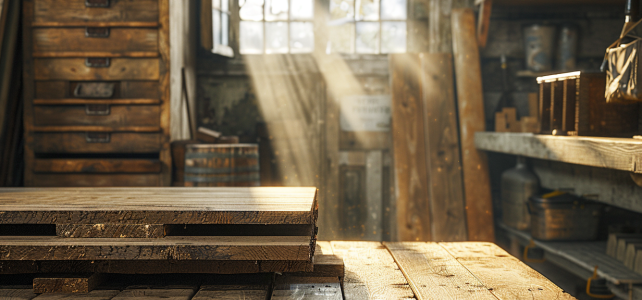
The construction industry is constantly evolving, seeking to combine sustainability, aesthetics, and cost. Wood has always been a preferred choice for its warmth and timeless appearance. However, technological advancements have introduced alternatives like MDF (Medium Density Fiberboard). The latter is valued for its ease of handling and uniformity, but questions remain about its longevity and environmental impact compared to traditional wood. Builders and designers are therefore examining the relative merits of these two options to determine the best compromise between tradition and modernity.
Characteristics and Uses of Traditional Wood
Wood, a noble and robust material, offers a multitude of advantages in the construction field. Its mechanical strength makes it a preferred choice for structures such as frames, frameworks, and load-bearing elements. The various species of solid wood present diverse textures and colors, giving architectural projects a unique character. Laminated wood panels, on the other hand, benefit from appreciable dimensional stability for furniture and interior cladding.
Recommended read : Trimaran vs Catamaran: What are the differences between these two types of boats?
In terms of material relationships, solid wood also stands out for its warm appearance and authenticity. Glued solid wood panels offer a solid and aesthetic alternative to raw woods for walls and floors. Durability and resistance are at the heart of material choices, advantages that plywood panels complement with their dimensional stability.
Beyond its use in construction, wood is favored for furniture manufacturing due to its ability to be worked in various ways. Its recyclability and long lifespan position it as an environmentally friendly material. Consider these aspects against the disadvantages of MDF, which, despite its versatility and attractive cost, presents sensitivity to water and potential formaldehyde emissions.
See also : Mastering the calculation of portage with precision
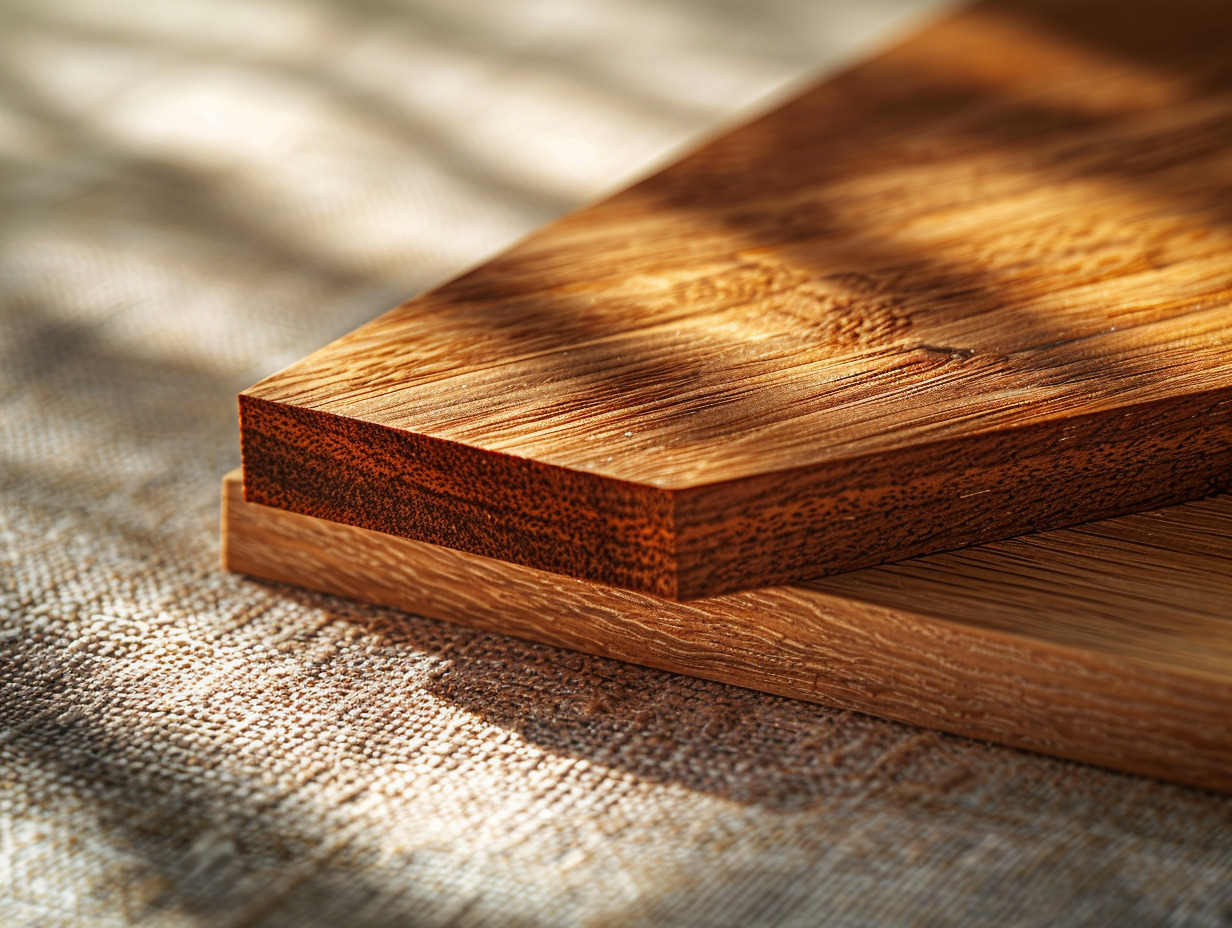
MDF: Properties, Advantages, and Limitations
MDF, or Medium Density Fiberboard, is a wood fiber composite that originated in the American industry in the 1970s. Its versatility has led to rapid adoption in the furniture industry and interior decoration. Its ability to lend itself to numerous finishes, such as veneering, painting, or lacquering, makes it a material of choice for various applications. The ease of working with MDF, its homogeneous texture, and its lack of knots ensure a uniformity appreciated for creating smooth and aesthetic surfaces.
MDF has weaknesses, particularly its sensitivity to moisture. Without proper treatment, contact with water can lead to irreversible swelling of the material, compromising the structure and appearance of the furniture. Therefore, the implementation of water-repellent treatments is essential in environments exposed to moisture, such as bathrooms or kitchens. This characteristic requires increased vigilance when selecting materials for specific projects.
The health aspect is also important. MDF contains formaldehyde, a volatile compound that can have harmful effects on indoor air quality. Current standards, particularly those certifying the FSC label (Forest Stewardship Council), regulate the amount of formaldehyde allowed. Prefer panels that meet strict standards to ensure safe use. The choice of MDF should be made with an understanding of its properties, advantages, and limitations for appropriate and responsible application.