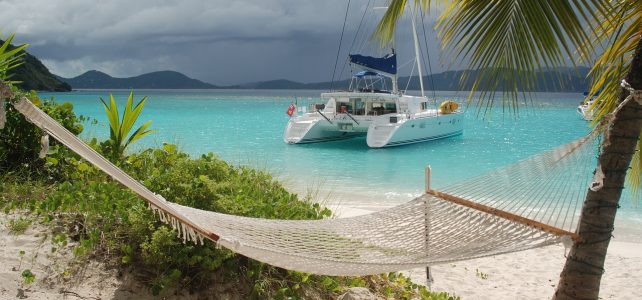
Trimarans and catamarans are two types of multihull sailboats that often attract the interest of sailing enthusiasts. These boats offer unique advantages and are used for various activities at sea. In this article, we will explore the fundamental differences between trimarans and catamarans to better understand their specific features and respective uses.
The origins and design
Trimarans are three-hulled sailboats, with a larger central hull and two smaller side hulls. They generally have a more balanced and aerodynamic design, allowing them to reach high speeds. In contrast, catamarans have two equal-sized hulls, providing greater stability and more living space.
You may also like : Mastering the calculation of portage with precision
- Origins: Trimarans appeared earlier in the history of sailing, while catamarans have gained popularity in recent decades.
- Design: Trimarans are often considered faster and sportier, while catamarans offer better comfort and greater livability.
- Uses: Trimarans are used in competition and for performance, while catamarans are favored for cruising and charters.
Performance at sea
In terms of performance, trimarans are generally faster than catamarans, due to their lightweight construction and aerodynamic design. However, catamarans offer better stability and a more comfortable ride, making them ideal for long sea crossings.
- Speed: Trimarans are known for their speed and agility, ideal for regattas and competition.
- Stability: Catamarans offer superior stability, making them more suitable for cruising and family trips.
- Comfort: Catamarans generally provide more living space and comfort on board, with multiple cabins and relaxation areas.
Advantages and disadvantages
Each type of boat has its advantages and disadvantages, depending on the intended use and the preferences of the sailor. Trimarans are appreciated for their speed and maneuverability but may be more sensitive to weather conditions. Lagoon catamarans, on the other hand, offer comfortable living space but can be bulkier to maneuver.
Related reading : What are the tennis tournaments with the highest prize money?
- Advantages of trimarans: Speed, agility, performance in regattas.
- Disadvantages of trimarans: Sensitivity to weather conditions, more delicate maneuverability.
- Advantages of catamarans: Stability, comfort, livability.
- Disadvantages of catamarans: Bulkiness, less performance in regattas.
The choice between a trimaran and a catamaran will depend on the preferences and needs of the sailor, as well as the intended use of the boat. Whether you are passionate about speed and performance or looking for comfort and stability at sea, there is a type of multihull that will meet your expectations.