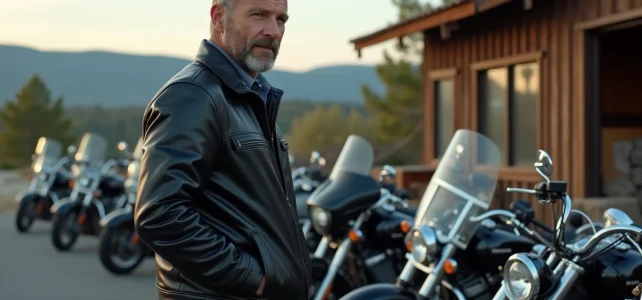
No generation of Harley-Davidson engine has divided opinions as much as the Twin Cam 96, also known as 1584 cm³. Internal figures confirm this: after 2007, the number of mechanical failures drops significantly, while concerns about the longevity of peripheral parts persist among some professionals.
Choosing your engine means deciding how you will approach the road. Some engines stand out for their durability and ability to handle long distances, even with a passenger and luggage. The major technical advancements since the 1980s have profoundly changed the perception of reliability at Harley-Davidson.
Further reading : Which cruise line to choose?
From Evolution to Twin Cam: the history and major milestones of Harley-Davidson engines
To understand the reliability of Harley Davidson engines, we must revisit the brand’s fundamental choices. The transition from the Evolution engine to the Twin Cam engine marked a key milestone. The Evolution, introduced in 1984, won over riders with its deep sound and robustness that has lasted through generations. But Harley-Davidson did not rest on its laurels. In 1999, the Twin Cam debuted on Dyna and Softail models, offering more power, better cooling, and a design aimed at longevity for touring models.
The Twin Cam 103, for example, powers the Dyna from 1991 to 2017, producing 80 horsepower and paired with a 6-speed transmission. The power is certainly present, as is the reliability, provided maintenance is kept up. The race for modernity then accelerates. The Milwaukee-Eight, introduced in 2017, brings fuel injection and thoroughly revises both intake and exhaust. On models like the Road King or the Fat Boy, this engine offers between 94 and 100 horsepower, with improved thermal management. Each step caters to different uses, from urban rides to long journeys.
Further reading : How to choose the best offer among the many insurance proposals for your home?
Some retro style enthusiasts still mention the Panhead (1948-1965) or the Knucklehead (1936-1947), symbols of unchanging elegance. But for those seeking a reliable and current engine, the Twin Cam or Milwaukee-Eight stands out, especially on recent touring models. Decade after decade, Harley Davidson’s reliability has been built on these innovations, confirming the brand’s unique position on the global stage.
Is the Harley 1584 engine really the most reliable for the road?
The engine reliability of the Twin Cam 96, or 1584 engine, continues to fuel discussions among enthusiasts. This engine powers references like the Road King, Ultra Limited, or Road Glide. It has earned the trust of riders thanks to its ability to accumulate miles, as long as maintenance is rigorous. Its versatility is evident in how it maintains a road-appropriate RPM, even under full load or with a passenger.
There are plenty of examples. One owner proudly mentions his 1584 that shows 74,000 km without a single alert. Others highlight the good balance between power and mechanical serenity. The 1584 provides a smooth ride, a true comfort for those who enjoy covering distances without stress, while retaining the Harley character. Thanks to its Twin Cam architecture, major interventions remain rare, except for clear negligence regarding timing or lubrication. The result: long rides become almost a formality.
Some purists still prefer the 1450 for its temperament or the 1690 for its vigor, but for those seeking a balance between robustness, pleasure, and availability on the used market, the 1584 stands out. Well-maintained models easily exceed 70,000 or 100,000 km without notable incidents. It’s hard to find better for the road, whether riding solo or with a passenger.
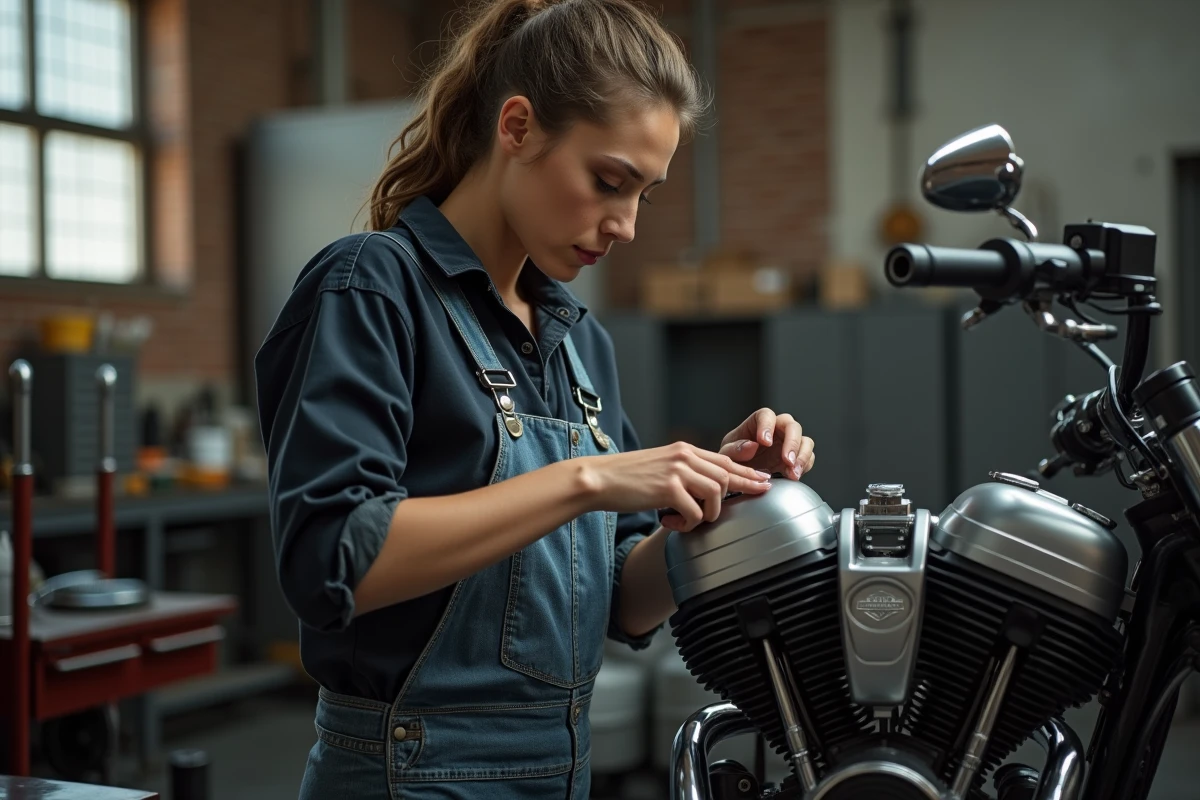
Practical tips to optimize reliability and ride peacefully in pairs
Riding in pairs requires attention to precise adjustments. Here are the points to monitor to ensure peace of mind on long journeys:
- Choose a suitable camshaft that promotes smoothness at low RPM. Ideal for maintaining the comfort of both the rider and the passenger.
- On touring models, adjust the suspension and monitor the condition of the shocks. The Milwaukee-Eight range has specifically improved weight distribution, limiting swaying effects during long distances.
Regular maintenance remains the key to reliable mechanics. These are simple gestures:
- Replace air and oil filters at regular intervals
- Check the belt tension
- Verify the oil level before each major ride
A precise follow-up of the maintenance log, especially on road-oriented models like the Road King or Electra Glide, avoids many complications. Many experts encourage the use of high-quality synthetic oils, especially when the load increases with a passenger.
Reliability also depends on behavior on the road:
- Avoid harshly revving the engine when cold
- Maintain a steady engine RPM on the highway
- Anticipate braking to preserve the transmission and clutch
Regularly inspect these elements and stay alert for small noises that could signal fatigue or loosening.
Finally, equipping yourself with approved accessories and favoring OEM parts, available from specialists like Legendary Parts, ensures compatibility and durability over time. City or road, solo or duo, these attentions transform every ride into lasting pleasure, without worrying about an unexpected breakdown.
And when the engine purrs, and the road unfolds, all that’s left is to savor the moment: reliability here rhymes with regained freedom.