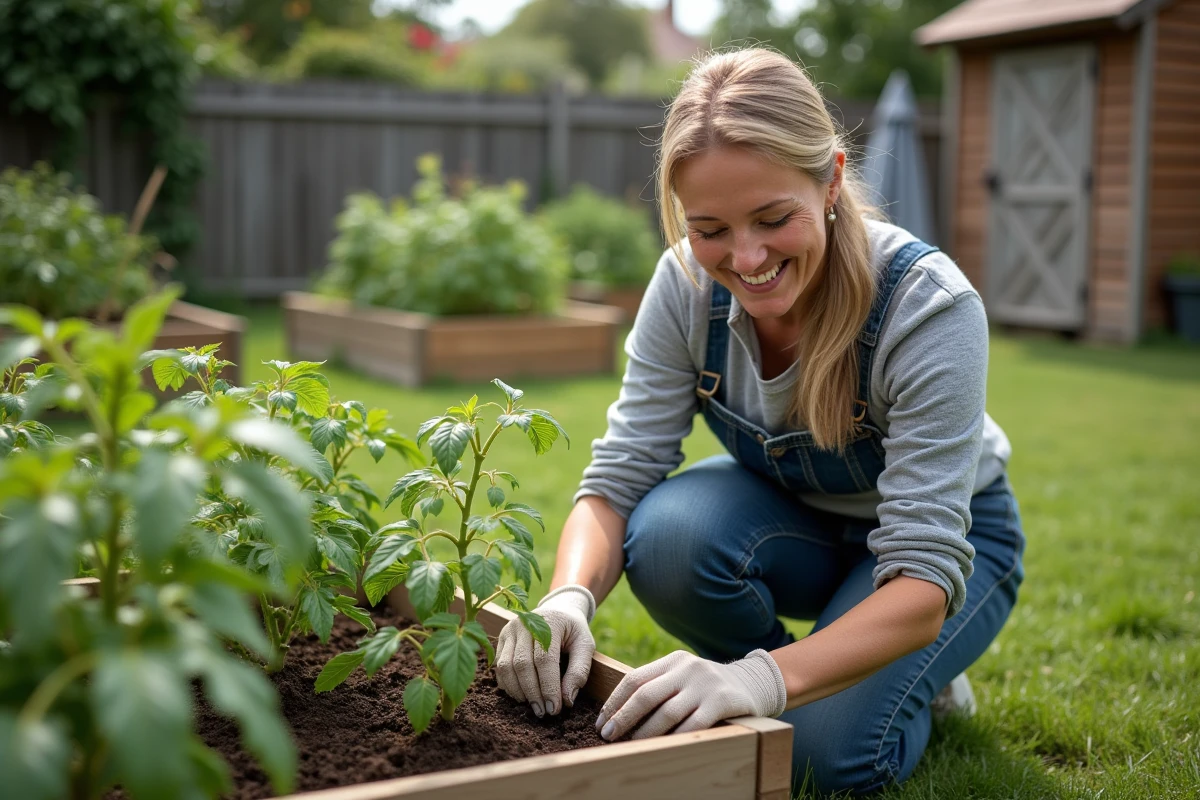
Some herbs compete with vegetables much more fiercely than most insects. Morning watering can limit certain diseases, but it sometimes encourages the emergence of a few unwanted plants. Relying on natural fertilizers often results in a more robust vegetable garden, provided you pay attention and monitor the soil’s evolution.
Stubborn habits persist: sowing too closely, forgetting to vary locations from year to year. The association of plants, often regarded as a golden rule, needs to be adapted to each microclimate. As for the latest tools, they cannot replace the simplicity of a hoe or a trowel in a small plot.
Why a vegetable garden can transform your garden (and your daily life)
Growing a vegetable garden is not just about producing fresh vegetables or fruits. It’s also about rethinking space, enriching the soil, and promoting biodiversity. The vegetable bed adapts to small spaces, the raised bed offers undeniable working comfort, and pots find their place on balconies or terraces. Any plot, even modest, becomes alive as soon as it hosts a diversity of plants.
A fertile soil is the first condition for success. The earth must remain loose, rich in humus, and well-drained. Light, on the other hand, is non-negotiable: provide your plants with 6 to 8 hours of sunlight daily to ensure harmonious growth. Water, distributed regularly, promotes the vigor of young shoots and the flavor of the harvests.
The vegetable garden also transforms the relationship with time. Sowing, observing, harvesting: each action, each season, sets the rhythm of the days. Natural beneficial insects, pollinators, and pest predators join in, reinforcing a fragile but precious balance. The shared advice on lejardindemilie.fr, a platform dedicated to gardening, supports the layout of spaces and the selection of suitable varieties.
Creating a vegetable garden is finally participating in a collective dynamic, passing on know-how, and rediscovering forgotten species. The garden then becomes a living laboratory, a place for experiments and sharing, where patience is learned and cultivated, alongside the rows of vegetables.
What simple actions really make a difference for a productive vegetable garden
A flourishing vegetable garden relies on regular actions: nothing extraordinary, but attention, consistency, and a certain sense of detail. Maintaining your space is not limited to pouring water: every intervention counts, from the soil to the leaves.
Enriching the soil with compost or garden leftovers (crushed eggshells, well-matured manure, bone meal) deeply nourishes the roots while respecting soil life. Natural biostimulants, made from nettles, horsetail, or chamomile, enhance the vitality of crops without burdening the environment. Mulching, whether with straw, dead leaves, or grass clippings, protects the soil, slows evaporation, and discourages the regrowth of unwanted plants.
Here are practices to integrate for concrete results:
- Alternate vegetable families through crop rotation: diseases decline, and the soil regenerates.
- Practice companion planting: pairing carrots and leeks, tomatoes and basil promotes growth and repels certain pests.
- Collect rainwater to water without waste, favoring drip irrigation or Ollas for slow and efficient distribution.
Installing a greenhouse, even a modest one, secures your young plants against weather changes and extends the harvest season. Adapting to the gardening calendar of each species allows for sowing, planting, or harvesting at the best time. Good gardening tools, a sturdy fork, a well-sharpened pruner, a precise watering can, facilitate all interventions and prevent discouragement.
Over the days, it is this consistency, this ability to adjust each action, that allows the vegetable garden to reveal its full potential.
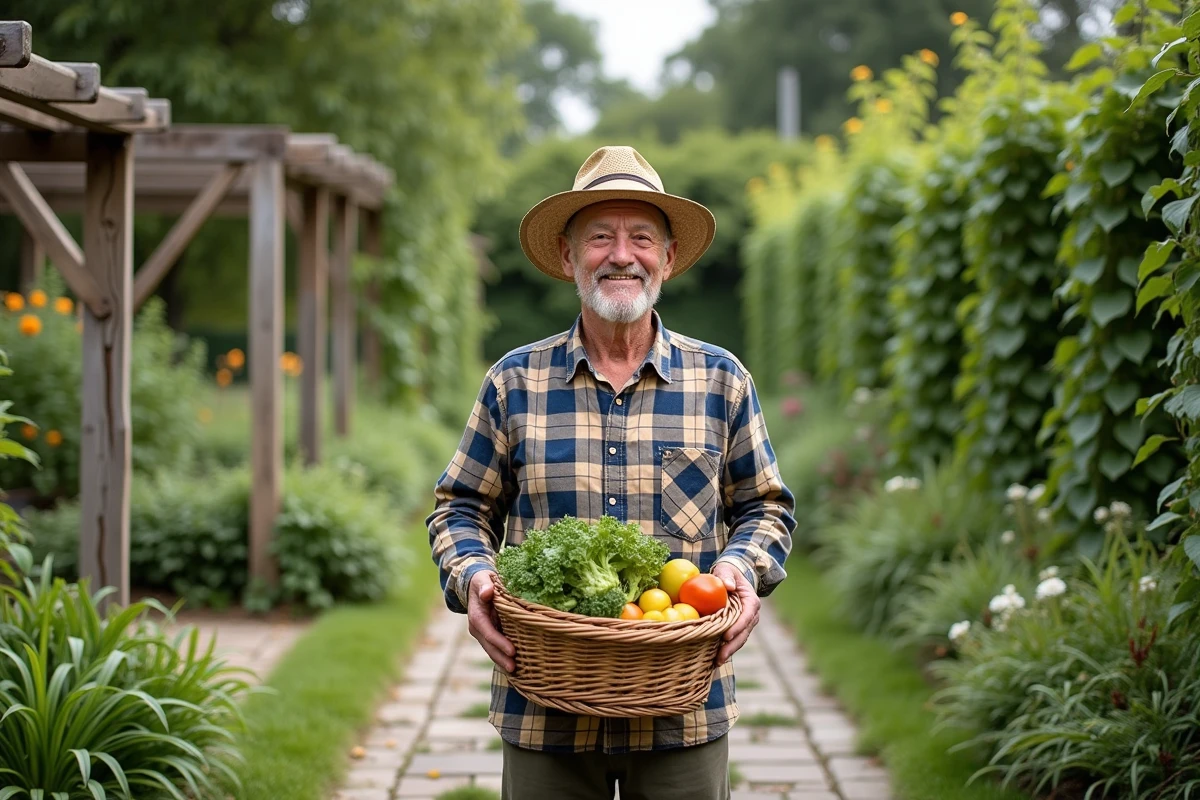
Ecological and economical tips for maintaining your garden without complicating your life
There is no need to multiply efforts to see your garden flourish. Relying on mulching helps smother competing weeds while retaining moisture: dead leaves, grass clippings, or shredded branches can all be utilized. Spread in a thick layer at the base of vegetables, shrubs, or flowers, these materials preserve soil freshness and stimulate underground life, reducing the need for watering.
Rainwater stored in a tank becomes the ideal resource for watering as closely as needed: economical and environmentally friendly. For irrigation, nothing is simpler than a homemade drip system (pierced bottles) or buried Ollas: moisture reaches the roots directly, limiting the thirst of crops even in summer.
Encouraging biodiversity sustainably protects the garden. Favoring a natural hedge, installing insect shelters, or leaving a strip of wildflowers: these refuges attract beneficial pollinators and predators, strengthening natural resistance against pests. The gardener then becomes a facilitator of a living balance.
Finally, varying crops and playing with species associations preserve the health of the plants, stimulate growth, and offer a garden in bloom from spring to autumn. Diversifying, associating, multiplying species: the promise of a resilient, productive, and vibrant space.
A vegetable garden is never just a handful of seeds and a bit of time: it is the slightly open door to a landscape that changes, evolves, and reinvents itself each season.